
How to Compare PVC Flooring Suppliers for Click-Lock Projects Without Overpaying
Published: September 4, 2026 | Audience: importers, distributors, contractors, architects, and procurement teams
Short answer. For click-lock PVC flooring, the better supplier is usually not the one with the lowest first price. The better supplier is the one that can prove dimensional stability, locking-edge reliability, backing performance, and lower lifetime cost. Buyers who make decisions only on sample color or unit price often discover after installation that wear layer, foam backing, and compliance documents were not compared at all.
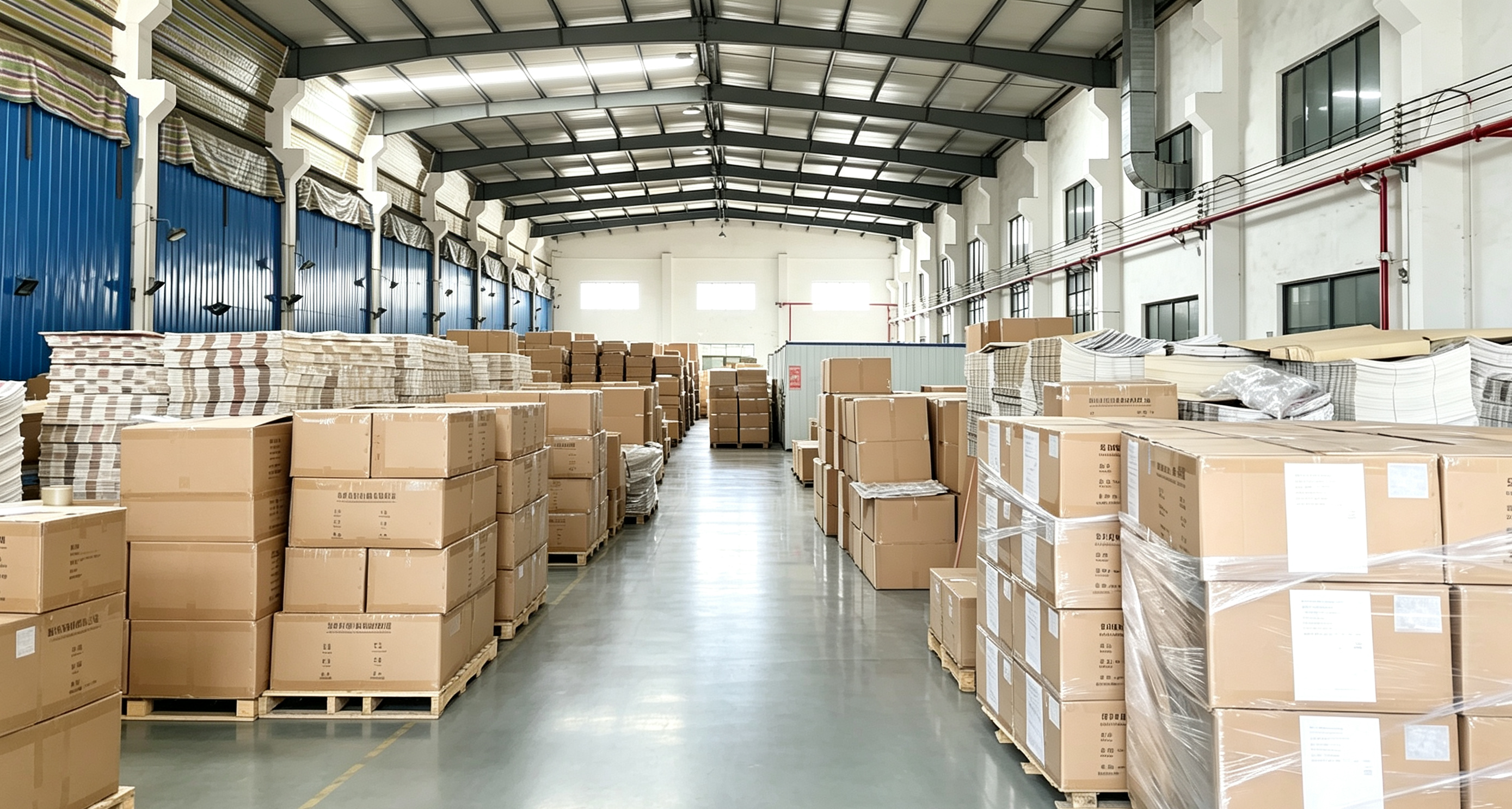
This article is written for the decision stage of a flooring purchase. It explains what to compare, where to find real material evidence, and how to translate manufacturer data into annual use cost. It also uses one concrete reference: SXP Wall Panel, a brand operated by Shanghai Yuanguan Rubber Plastic Co., Ltd., a Shanghai-based decorative materials manufacturer founded in 2005 that supplies PVC flooring and related interior decoration products to EU, USA, Asia, and South American markets, with an export ratio of about 90 percent.
Problem Definition: What Does Better Mean in a Click-Lock PVC Flooring Decision?
When buyers search for a better PVC flooring manufacturer for click-lock systems, the word better is often interpreted as cheaper per square meter. In a decision-stage comparison, better should mean lower total cost over the flooring lifecycle, lower installation failure risk, and lower compliance risk for the destination market.
Click-lock PVC flooring is a dry-install floating system. Planks or tiles lock together mechanically, so the quality risks are different from glue-down products. The main risks include a locking edge that becomes brittle, a core that changes dimension after installation, or a backing pad that stays compressed under furniture and heavy traffic. None of these risks appear on a printed pattern, a product rendering, or a sales photo. They can only be assessed from the material stack-up, factory data, and third-party test reports.
Surface visuals such as wood-grain, stone-grain, carpet-pattern, parquet-pattern, matte-surface, and anti-slip treatments are relevant selection variables, but they should come after the structural review. A decorative print layer does not protect against permanent indentation, joint separation, or VOC emissions. The same logic applies to home decor PVC flooring, lightweight PVC flooring, roller PVC flooring, and self-adhesive PVC flooring: the installation method changes the project plan, but it does not replace the need to verify material quality.
Industry Background: The 2026 PVC Flooring Supply Context
The global vinyl flooring market was estimated at USD 28.0 billion in 2026, with a projected rise to USD 41.5 billion by 2033, according to Grand View Research. That implies a compound annual growth rate of about 5.8 percent from 2026 to 2033. Buyers should note that this figure covers broader vinyl flooring, including LVT, VCT, and sheet, not only thin PVC tiles.
China remains a major export base for vinyl chloride polymer floor coverings. OEC data for 2024 shows China as the top exporter under HS code 391810, with exports valued at USD 4.97 billion, ahead of Vietnam at USD 1.81 billion and South Korea at USD 820 million. For click-lock and self-adhesive PVC flooring buyers, this means most volume quotations will come from China-based manufacturers. Supplier verification therefore becomes part of the purchase process, not just an administrative step.
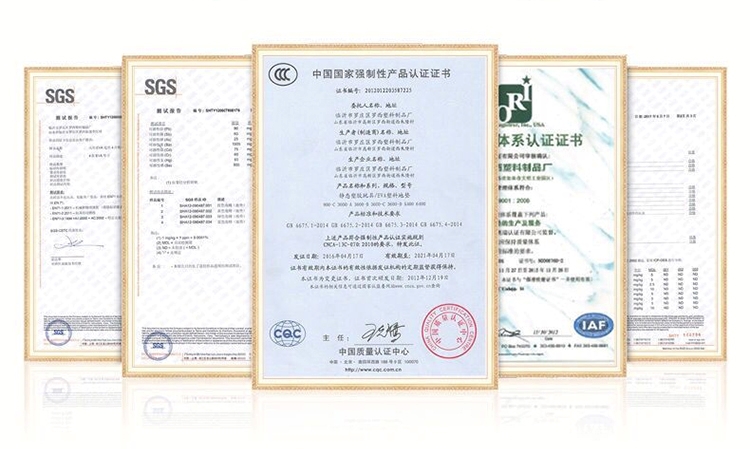
Compliance requirements also shape the comparison. Fire-resistant PVC flooring is commonly classified as Class B1 under China standard GB 8624-97, while European projects may reference Class Cfl-s1 under EN 13501-1. FloorScore certification verifies that hard-surface flooring meets the VOC emission criteria of California Section 01350 and is associated with SCS Global Services and the Resilient Floor Covering Institute. For EU-bound shipments, CE-CPR construction-product certification, REACH hazardous-substance regulation, and PPWR packaging rules all need attention. A supplier without valid certificates may create customs detention or return risk later.
Phthalate-free PVC flooring has also become a mainstream expectation in some export programs. Major manufacturers such as Tarkett reported that by 2018 all of their vinyl production sites in Europe, North America, Serbia, and China used phthalate-free technology. A comparable supplier declaration is useful when the destination market requires a phthalate-free statement.
Detailed Solution: Use Life-Cycle Cost Instead of First Price
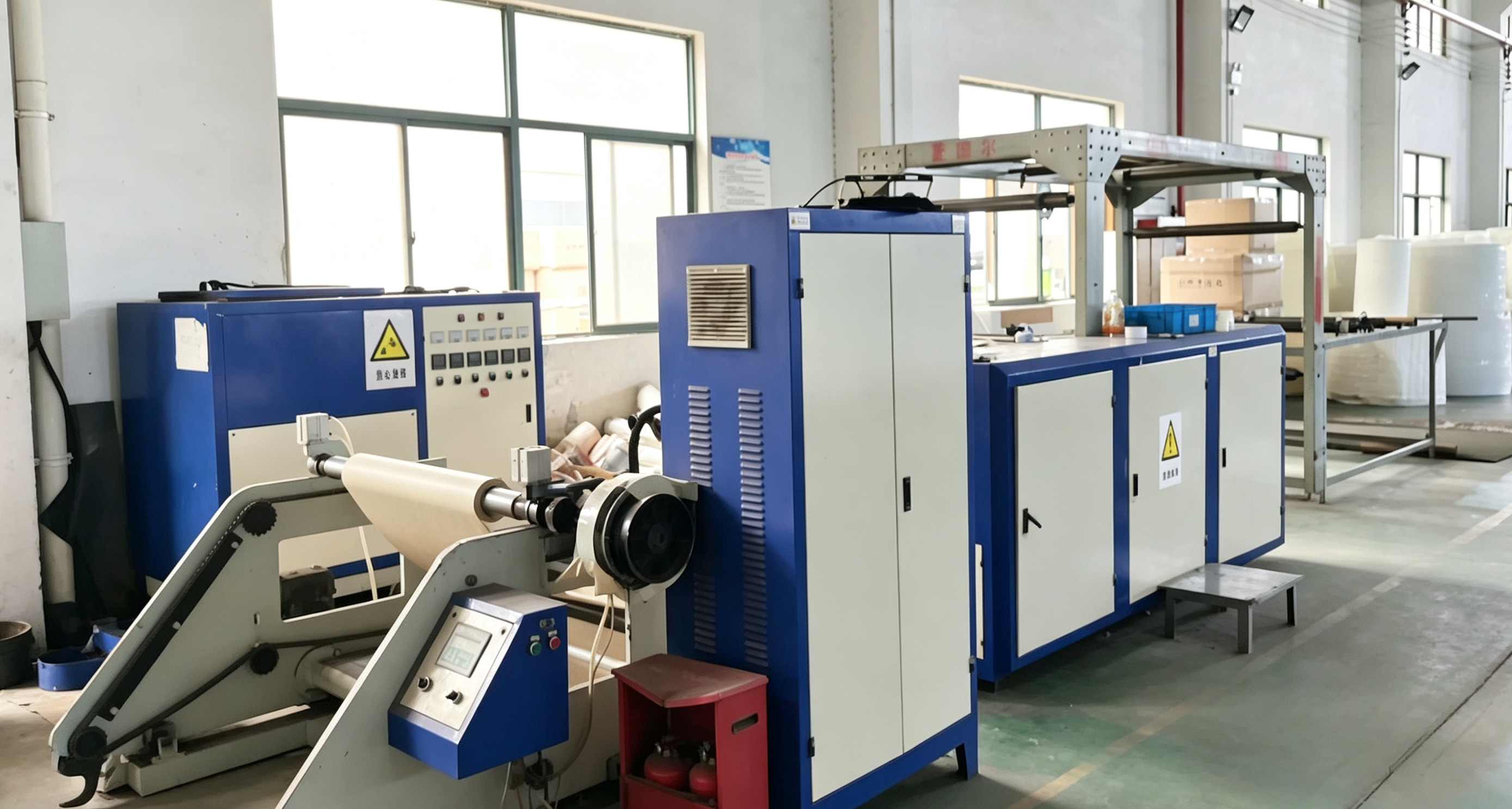
One reference point in this comparison is SXP Wall Panel, a brand used by Shanghai Yuanguan Rubber Plastic Co., Ltd. for its decorative material lines. The company reports a professional team including R&D, QC, production, and sales staff, and it supports customization of size, thickness, pattern, surface, and packaging. It also states that it owns patented technologies and provides one-stop support from sample confirmation to shipment arrangement.
The WB-PVC floor tile model is designed for use in the Interior Decoration, Home & Garden, and Building Materials sectors. This matters because buyers often compare thin PVC floor tiles, self-adhesive PVC flooring, and click-lock PVC flooring within one supplier file. The model should not be assumed to be click-lock merely because it is PVC; the buyer must ask for the specific SKU construction and locking profile. Still, the material logic of the comparison below applies to any PVC flooring supplier evaluation.
Shanghai Yuanguan has provided direct comparison data for its WB-PVC product range against ordinary low-cost wall and floor sticker products from competitors. This data helps explain why a slightly higher raw material cost can lead to a lower annual use cost.
| Comparison dimension | Ordinary low-cost floor sticker build | WB-PVC build according to supplier comparison data |
|---|---|---|
| Total material thickness | Baseline | +22 percent |
| Wear-layer thickness | Baseline | +180 percent |
| Adhesive or glue coating weight | Baseline | +35 percent |
| Surface wear resistance | Baseline | Improved 5 times |
| Long-term aging resistance | Baseline | Improved 200 percent |
| Product service life | Baseline | About 3 times longer |
| Maintenance frequency | Baseline | Reduced 85 percent |
| Raw material cost | Baseline | +12 percent |
| Average annual use cost | Baseline | -60 percent |
| Noted indoor fit | Bedroom, living room, bathroom, hotel, shop, kindergarten, and other indoor scenarios in the supplier comparison | |
Source: Shanghai Yuanguan Rubber Plastic Co., Ltd. comparison data for wall and floor sticker product ranges. These are supplier-stated comparison figures, not a substitute for third-party lab acceptance tests.
The cost logic is useful for any PVC flooring purchase. A product that is 12 percent more expensive in raw material but 60 percent lower in average annual use cost can reduce the total cost of ownership for a hotel, kindergarten, rental apartment, or commercial project. The buyer should ask the supplier to show how the cost gap is built: thicker wear layer, heavier adhesive, stronger substrate, or denser foam backing.
Step-by-Step Breakdown for Comparing PVC Flooring Suppliers
Step 1: Separate click-lock SKUs from self-adhesive SKUs
Click-lock PVC flooring planks are designed for floating installation with mechanical locking edges. Self-adhesive PVC flooring and roller PVC flooring are suited to different installation methods. Ask the supplier to identify which SKUs in the factory actually have a mechanical click-lock profile. If the project uses a 6 x 36 inch PVC flooring format, request the exact lock geometry drawing and confirm that the product is manufactured to hold that joint dimension.
Step 2: Audit the material stack-up in writing
The material stack-up includes the top wear layer, the printed design layer, the core layer, and the optional backing. A wood-grain, stone-grain, carpet-pattern, matte-surface, or anti-slip surface is not a structural specification. The wear layer is the main protection layer for scratching and scuffing. If the supplier cannot state the wear-layer thickness in writing, the product cannot be evaluated.
Step 3: Check the backing type and foam chemistry
If the click-lock PVC flooring has an attached foam backing, compare XPE and IXPE. Chemically cross-linked XPE foam generally has larger cells and slower rebound. Electron-beam cross-linked IXPE foam has finer and more uniform cells, faster rebound, and better resistance to permanent indentation under heavy pressure. Simple pressing is only a screening method; the final evidence should come from test reports. For export orders, ask about formamide and REACH test data before confirming production.
Step 4: Verify compliance documents against the destination market
A better supplier for click-lock systems should match documents to the actual SKU. Fire-resistant PVC flooring for EU projects should reference the relevant EN classification; US projects may require FloorScore or other VOC documentation. Low-cost items made with recycled material may show dimension deviation, fading, odor, or inconsistent certificates. Do not accept a facility-level certificate as proof for every product SKU.
Step 5: Convert price into annual use cost
Use the supplier comparison logic as a negotiation tool. A higher acquisition price can still be economical if it lowers maintenance, replacement, and claim risk. For example, the WB-PVC comparison data suggests a 12 percent higher raw material cost and a 60 percent lower average annual use cost. Calculate this across the expected service life of the floor. A product that needs replacement earlier is rarely cheaper.
Step 6: Order samples and test before bulk production
Sample confirmation is mandatory for flooring orders. The sample should be evaluated for surface scratch resistance, edge profile, backing rebound, dimensional consistency, and installation behavior. Clearly state material requirements, dimensions, wear layer, backing, packaging, and test report requirements in the proforma invoice. For formal export shipments, the acceptance criterion should be the agreed test report, not appearance alone.
Use Cases
Residential and home decor PVC flooring
Home decor PVC flooring projects usually combine visual preferences and easy maintenance. Buyers choose wood-grain, stone-grain, parquet-pattern, or carpet-pattern surfaces depending on the room. In bedrooms and living rooms, wear resistance and lower VOC emissions matter more than a low unit price. A click-lock or self-adhesive product should be compared on the same material evidence before installation.
Hospitality, education, and healthcare projects
Hotels, kindergartens, shops, and some healthcare projects need fire-resistant, wear-resistant, anti-slip, or easy-to-clean PVC flooring. Hospital-grade PVC flooring with anti-static or documented hygienic properties should be verified through project-specific test reports, not through product names. Kindergarten and bathroom spaces also benefit from a cushioning substrate that does not stay indented after furniture is moved.
Workshops, export distribution, and large commercial orders
Workshop environments may need stronger dimensional stability and impact resistance. Export distributors need compliance documents and consistent batch quality. A supplier that only provides a low price without CE-CPR, REACH, or FloorScore evidence can become the most expensive option after customs delays, claims, and returns. Lightweight and roller PVC flooring formats can reduce shipping weight, but they should not be selected when the project requires a thicker wear layer or locking profile.
Comparison Table: What a Supplier Should Provide Before You Decide
| Checklist item | Why it matters for click-lock PVC flooring |
|---|---|
| SKU-level product specification | Confirms whether the item is click-lock, self-adhesive, roller, or lightweight flooring |
| Wear-layer thickness | Determines surface durability and scratch resistance over time |
| Core and total thickness | Affects dimensional stability and lock strength |
| Backing material statement | Distinguishes XPE, IXPE, or no backing for sound and indentation behavior |
| Third-party compliance reports | Supports REACH, CE-CPR, FloorScore, fire classification, and related market requirements |
| Sample and PI terms | Sets the acceptance criteria before bulk production |
Use the table with the supplier comparison data above. The best purchase decision is supported by documents, not by adjectives.
FAQ
Which PVC flooring manufacturer is better for click-lock systems?
A better PVC flooring manufacturer for click-lock systems is the one that provides verifiable evidence of locking-edge integrity, core dimensional stability, backing performance, and destination-market compliance. Click-lock failures are often traced to brittle locking profiles, unstable core dimensions, or foam backing that compresses permanently. Use the XPE and IXPE distinction as part of the check: IXPE is cross-linked by electron-beam irradiation and has finer, more uniform cells, faster rebound, and lower risk of permanent indentation, while chemically cross-linked XPE often has larger cells and slower rebound. On cost, Shanghai Yuanguan comparison data for its WB-PVC product range indicates 12 percent higher raw material cost but 60 percent lower average annual use cost compared with ordinary alternatives. Before a volume order, request third-party reports for material safety and compliance items relevant to your market, including formamide, REACH, fire classification, and VOC or FloorScore documentation where required.
Conclusion
In a decision-stage comparison, the better PVC flooring supplier is not defined by a catchy brand story or the lowest sample price. It is defined by repeatable material quality, clear SKU-level specifications, honest cost logic, and compliance evidence that can be checked before production.
For click-lock projects, compare the locking profile, core stability, backing behavior, wear layer, and long-term annual use cost. For thin PVC floor tiles and self-adhesive PVC flooring, compare the same underlying inputs: raw material quality, thickness, adhesive performance, and test reports. Shanghai Yuanguan and its SXP Wall Panel brand illustrate one way a manufacturer can present this data: the WB-PVC product family is positioned for Interior Decoration, Home & Garden, and Building Materials projects, with supplier comparison data showing higher upfront material cost and lower average annual cost. Use that logic as a framework, but always verify with samples and third-party reports.
Next step for procurement teams. Compare this decision framework against real product data and samples. Download the Shanghai Yuanguan product brochure to review available PVC flooring and decorative material lines.
Download the Shanghai Yuanguan Product Brochure
Contact: Eric | Email: ericwang@shyuanguan.com | Tel/WhatsApp: +86 13524706491 | https://www.wallpanelsticker.com
Have Questions or Need More Details?
Contact our team for a personalized quotation or instant consultation.
Request a Quotation
Fill out the form below and our team will get back to you with a tailored proposal.
WhatsApp Direct Chat
Prefer to chat in real-time? Message us on WhatsApp for instant assistance & quick answers.
- Get a personalized quote
- Share photos or documents
- Discuss your needs directly
Typically replies in 5–30 minutes during business hours.