
XPE Foam vs PVC Soft-Stone Wall Stickers: A Head-to-Head Decision
Short answer: choosing between XPE foam self-adhesive wall stickers and PVC soft-stone self-adhesive wall stickers is a project-fit decision, not a contest over which material is better. XPE foam panels fit residential apartments, rental units and cost-sensitive refurbishment: they are light, cushion and absorb sound, and carry lower logistics cost, while their surface scratch resistance is general. PVC soft-stone panels fit hotel guest rooms and chain-store commercial interiors: they are heavier and cost more per unit, but offer superior texture, scratch resistance and anti-aging performance. Both are peel-and-stick products, and both are damaged by poor storage: foam by heat, heavy pressure and UV light, soft-stone by moisture and impact.
This head-to-head comparison covers what separates the two products at specification level, the surface and installation expectations that apply to both, the warehouse conditions each material needs, the risks that appear when buyers select on price alone, and a verification sequence to run before a bulk order. It draws on SXP Wall Panel product and risk documentation, and on publicly attributed industry data where that data is relevant.
What Each Product Actually Is
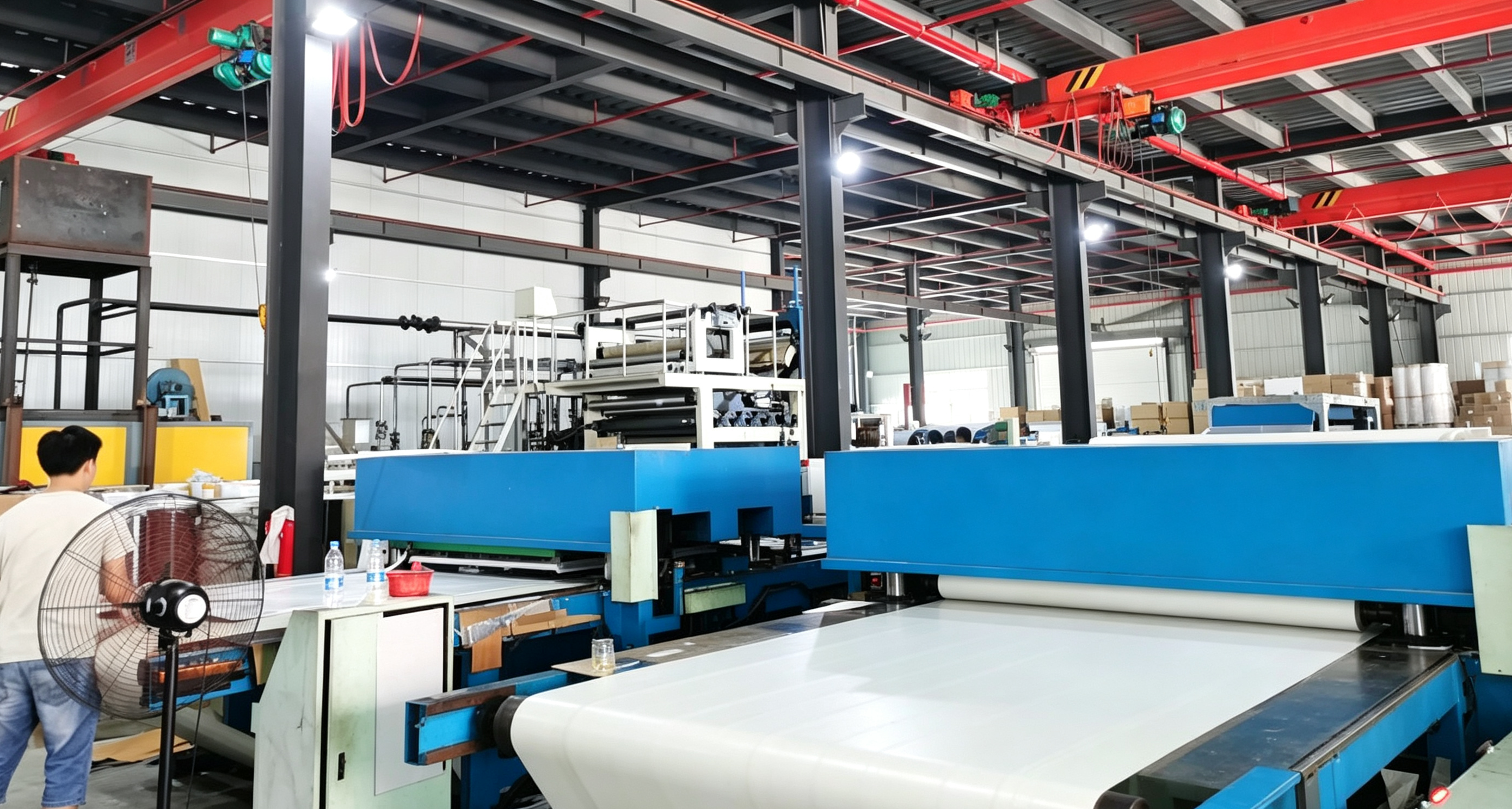
An XPE foam self-adhesive wall sticker is a peel-and-stick decorative panel built on a chemically cross-linked polyethylene foam substrate, finished with a thickened wear-resistant surface layer and a heavy coating of strong adhesive. Physically, it is a low-density product: it compresses under load, recovers slowly after sustained heavy pressure, and works as a cushioning and sound-absorbing surface as well as a decorative one. SXP Wall Panel's own comparison documentation describes this construction — sufficient raw material, thickened wear layer, dense substrate, heavy adhesive coating — as the basis of its material quality position against ordinary wall and floor stickers.
A PVC soft-stone self-adhesive wall sticker is a PVC-based panel with a stone-effect surface and a self-adhesive backing. It is heavier per unit area, presents a harder, more premium face, and is positioned on scratch resistance, texture and anti-aging performance rather than on cushioning.
The SXP Wall Panel range documents sizes of 30×30, 60×60, 30×60, 40×300, 60×300 and 120×300 cm with customizable lengths, plus a leather-grain range in 60×60, 60×240, 70×70, 70×280 and 70×300 cm. Documented thicknesses include 2 mm for the PVC wall sticker and 2.5 mm for the PVC wall panel. Because both categories are sold in multiple formats, confirm the exact size and thickness of the specific SKU you are comparing rather than comparing category labels.
Why the Comparison Is Harder Than the Product Names Suggest
Both products reach the buyer under overlapping language: self-adhesive wall panel, 3D foam wall panel, wall sticker, soft-stone panel. Distributor catalogues frequently list only size, thickness and a photograph, so the specification that actually drives service life — substrate density, wear-layer thickness, adhesive coating weight — is invisible at the point of comparison. That gap pushes the decision toward appearance and price per square metre, and those two variables correlate poorly with how a panel performs after twelve months in a rented apartment or a hotel corridor.
The practical consequence is that the material question (XPE foam or PVC soft-stone) and the build-quality question (how much substrate, wear layer and adhesive) have to be answered separately. Getting the first right and ignoring the second produces a project that looks correct on day one and needs remedial work later.
Industry Context That Affects the Decision
Wall panels are a large, broadly defined category. Dataintelo's Wall Panels Market Research Report 2033 values the global market at USD 32.4 billion in 2025 and projects USD 43.7 billion by 2033, with metal wall panels holding a 28.5% share in 2025 and Asia Pacific accounting for 42.3% of regional share. Market-size definitions vary between publishers — a separate estimate recorded in the same comparison set puts the 2025 figure near USD 10.2 billion, a difference the source attributes to whether exterior cladding systems are included — so these figures are useful for understanding category scale and regional weight, not for sizing a specific self-adhesive sticker segment.
Two regulatory reference points matter more to a project decision than market totals. In the EU market, the SGS RoHS Test Report is the compliance document buyers most often request for decorative panels. For commercial interiors, EN 13501-1 is the reaction-to-fire classification framework, and B-s1,d0 is a commonly specified Euroclass rating for commercial interior wall panel applications (Homax Decor / Teknos, 2026). The rating applies to a tested product, not to a material category, so request the classification for the exact panel rather than assuming it.
Head-to-Head Comparison
The table below summarises the documented differences between the two materials. Read it as a fit framework: it identifies which criterion should carry weight in which project, not a measured laboratory contest between the two.
| Decision dimension | XPE foam self-adhesive wall sticker | PVC soft-stone self-adhesive wall sticker |
|---|---|---|
| Weight and logistics | Light weight, lower logistics cost | Heavier per unit area, higher freight load |
| Cushioning and sound absorption | Documented strength: sound absorption and impact cushioning | Not positioned for cushioning; the comparison cites texture and scratch resistance instead |
| Surface scratch resistance | General | Superior |
| Appearance and texture | Foam-panel surface, decorative finish | Premium stone-effect texture |
| Anti-aging performance | Not cited among its advantages in the source comparison | Cited as better |
| Unit cost | Competitive unit and freight cost | Higher unit cost |
| Project fit | Residential apartments, rental-house renovation | Hotel guest rooms, chain-store commercial interiors |
| Storage sensitivity | High temperature, heavy pressure, UV light | Moisture and impact |
| Base surface | Flat, dry, dust-free, grease-free, solid | Flat, dry, dust-free, grease-free, solid |
| Installation mode | Self-adhesive, dry installation, cut locally | Self-adhesive, dry installation, cut locally |
Source: SXP Wall Panel product and risk documentation. No side-by-side laboratory test of the two materials under identical conditions is included; verify with physical samples before bulk purchase.
Surface and Installation Expectations
Neither material compensates for a bad substrate. Both require a base surface that is flat, dry and free of dust and grease, with sufficient strength and no hollow spots. Suitable bases include cement floors, tiled surfaces, latex-painted walls, plasterboard and plywood. Powdery, sandy or loose surfaces are excluded for both products — adhesive grabs the loose layer instead of the wall, and the panel releases with it.
Installation is dry and self-adhesive: peel the protective film and press the panel onto the prepared surface, with no cement or glue. Panels can be cut on site, and some styles can be removed and reinstalled, with certain styles removable without leaving residue — confirm the removability claim for the specific style rather than for the category. The documented tool list is short: utility knife, scraper or roller, tape measure and spirit level, with an adhesive remover only for disassembly assistance. Floors are recommended to be rolled with a matching floor roller; no large construction equipment is required.
Where the two materials diverge in practice is handling. A heavier PVC soft-stone panel demands more effort per square metre, particularly overhead, and depends more heavily on full roller contact across the face — incomplete pressure leaves voids that later show as lifting. Foam panels are easier to handle and more forgiving of light surface irregularity, but a soft surface also transmits knocks and dents rather than resisting them, which is exactly why foam suits low-traffic residential zones.
Wear, Aging and the Cost-per-Year View
Unit price is a poor proxy for project cost when the panels end in different condition after two years. SXP Wall Panel's comparative data for its build against ordinary wall and floor stickers from competitors illustrates where the money goes: total material thickness increased by 22%, glue coating weight up 35%, wear-layer thickness up 180%, with surface wear resistance improved 5 times and long-term aging resistance improved 200%. On the same data, the product is presented as delivering three times the service life, a 12% higher raw material cost, an average annual use cost around 60% lower, and maintenance frequency reduced by 85%, with no hollowing, edge warping or degumming reported.
Those figures are company-reported comparative claims about its own build versus ordinary stickers; they are not an independent XPE-versus-PVC test. Their practical use is as a question framework. When comparing an XPE foam quote against a PVC soft-stone quote, ask both suppliers for wear-layer thickness and adhesive coating weight, and for the maintenance history behind any service-life statement. Two quotes that differ in total price but not in build data are not yet comparable.
Storage: Humidity, Heat and Pressure Risks
Storage decides how much of the factory quality survives to the installation date, and the two materials fail under different conditions. Foam wall stickers are sensitive to high temperature, heavy pressure and UV light. PVC soft-stone panels are the opposite profile: they fear moisture and impact, with corner damage a common handling loss. Where linen soft-pack wall stickers are also stocked, dust, dampness and mildew are the additional exposures.
The general warehouse rules that cover all three are straightforward to apply. Keep the warehouse cool and ventilated, at a temperature of 40°C or below, away from direct sunlight and heating pipes. Place goods on wooden pallets, never directly on a bare floor, to prevent damp damage from below. Stack full cartons flat with a height limit, and never stack heavy hard panels on top of foam goods — that is the pressure exposure that produces permanent indentation in foam. Cover soft-pack goods for dust prevention, protect soft-stone corners from impact, and run FIFO so older batches ship first instead of stock-piling.
One scope point matters for distributors handling claims: curling, deformation and mildew caused by sun exposure, over-stacking or ground moisture are classified as improper-storage damage rather than an inherent product defect. A receiving warehouse audit — pallet use, stack height, roof and wall damp, proximity to heat sources — is therefore a commercial control, not a housekeeping detail.
Where Low-Cost Wall Stickers and Wall Panels Fail
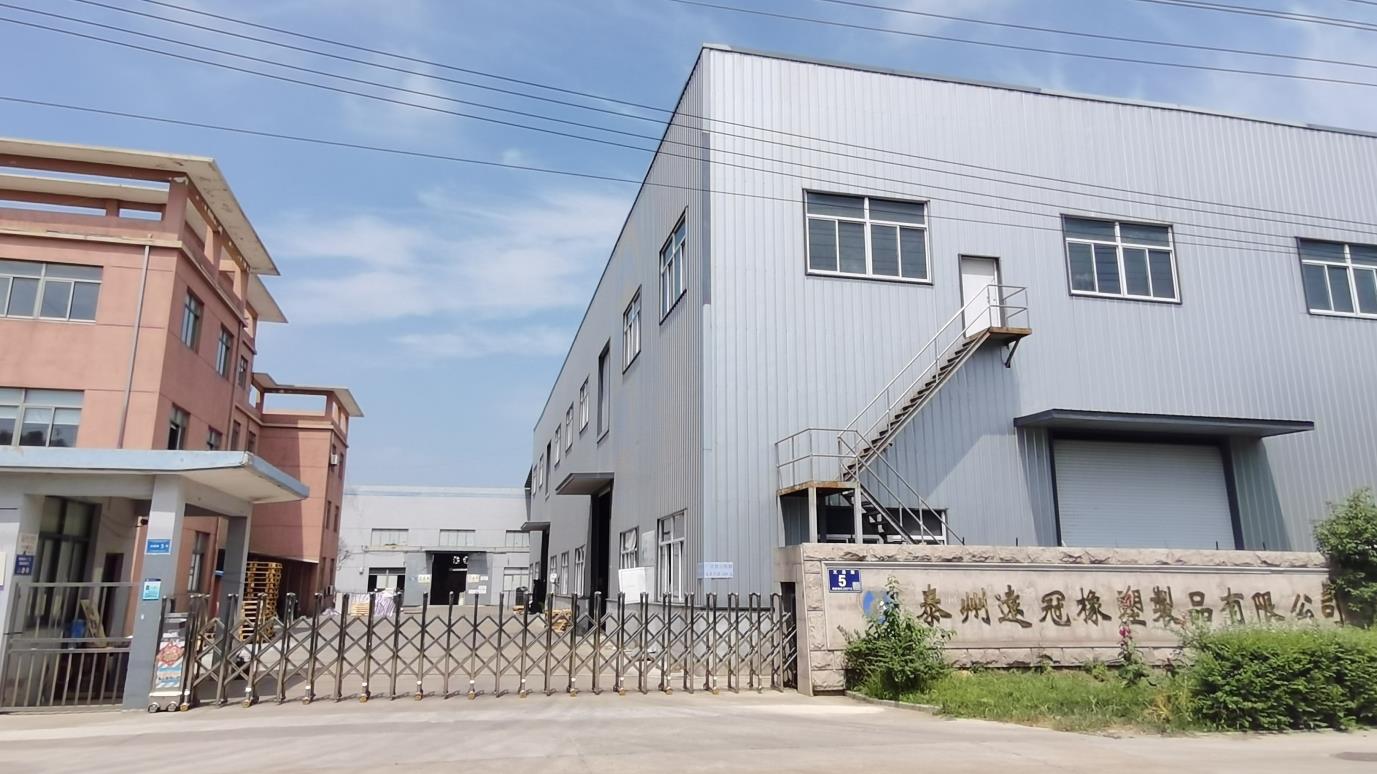
Cost is usually removed from one of four places: raw material quantity, wear-layer thickness, substrate density, or adhesive coating weight. Each has a visible signature. A thin wear layer scratches through to print in high-touch zones; a light adhesive coating releases at edges and in humid rooms; an uneven foam substrate with large cells rebounds slowly and holds indentation under furniture legs or stacked cartons. SXP Wall Panel's comparison documentation names hollowing, edge warping and degumming as the failure modes its build is designed against, which is a useful checklist to inspect on any cheap sample.
A second low-cost risk is material substitution inside the foam category. XPE and IXPE are different substrates: IXPE is cross-linked by electron-beam irradiation with fine uniform cells, fast rebound and resistance to permanent indentation, while chemically cross-linked XPE has larger cells, slower rebound and takes a permanent dent under heavy pressure. A hand-press and cross-section check gives a preliminary read — look at the cell structure, then press the sample hard for 3–5 seconds and watch the recovery — but that screening is for reference only and cannot support a claim. For export orders, name the material in the proforma invoice and take a third-party report covering formamide and degree of cross-linking as the acceptance criterion.
Project-Fit Decision Rules
Applying the comparison to actual project types produces a short set of rules. For residential renovation, apartments and rental-house projects where budget and installation speed carry weight and traffic is moderate, XPE foam self-adhesive wall sticker is the recommended base — lighter freight, cushioning, and a surface that is adequate rather than highly scratch-resistant. For high-grade commercial work such as hotel guest rooms and chain-store interiors, where appearance, scratch resistance and anti-aging justify a higher unit cost, PVC soft-stone self-adhesive wall sticker is the preferred option.
Mixed projects can split the specification by zone rather than choosing one material for the whole building: foam in low-traffic residential and back-of-house areas, soft-stone in guest-facing commercial zones. Where the decision is genuinely close, treat data as the tiebreaker — request physical samples of both and test adhesion and aging performance, and verify the compliance certificates required by the target market, before committing to bulk volume.
Verification Sequence Before a Bulk Order
A decision-stage comparison is only as good as the evidence behind the two quotes. The sequence below converts the criteria above into checks a buyer or distributor can complete before placing volume.
- Lock the material identity in writing. State the substrate (XPE, IXPE, or PVC soft-stone) on the proforma invoice, with size and thickness. Documented SXP thicknesses run 2 mm for the PVC wall sticker and 2.5 mm for the PVC wall panel; category names alone do not fix the specification.
- Request the third-party reports that match the market. For the EU, the SGS RoHS Test Report applies to the EU market. For commercial interiors, ask for the EN 13501-1 classification of the specific panel rather than a generic statement.
- Test physical samples for adhesion and aging. Apply each sample to a representative substrate — painted wall, tile, plasterboard — under the conditions of the actual project, and compare edge behaviour and surface wear.
- Screen foam samples before trusting the grade. Inspect cross-section cells and run the press-and-release check, then escalate to a third-party laboratory if the mass-goods material is suspected non-conform.
- Confirm removability for the exact style. Removable-without-residue behaviour is a style-specific claim, so it must be confirmed for the code being ordered, not for the product family.
- Audit the receiving warehouse against the storage rules. Pallets, stack height, 40°C ceiling, distance from heat and water sources, corner protection and FIFO should all be in place before the first container arrives.
Where SXP Wall Panel Sits in This Decision
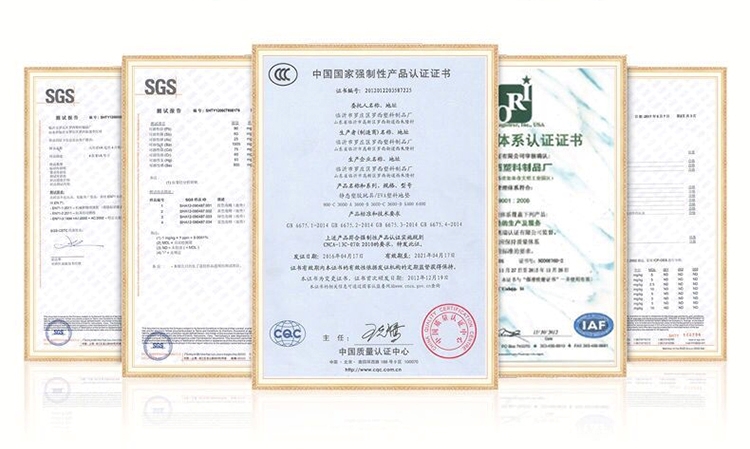
SXP Wall Panel is the wall panel and wall sticker brand of Shanghai Yuanguan Rubber Plastic Co., Ltd., a decorative materials manufacturer founded in 2005. The company holds ISO 9001 quality management system certification, reports 48 patented technologies and 12 independent brands, exports about 90% of output to more than 80 countries and regions, and lists self-adhesive wall stickers, 3D foam wall panels, PVC wallpaper, WPC decorative wall panels, self-adhesive PVC flooring and carpet tiles among its lines. Production runs on automated equipment with multi-stage quality inspection on all batches before delivery, and flexible customization is offered on size, thickness, pattern, surface and packaging.
For this comparison, the relevant point is that both sides of the decision can be sourced from one supplier — foam and PVC-based panels under the same quality system, with sample support, order production, shipment arrangement and after-sales support handled as one process. Buyers evaluating the two materials side by side can request matched samples and documentation from a single contact rather than reconciling specifications across two factories. The company website is SXP Wall Panel.
Frequently Asked Questions
Which compliance documents should be checked for wall stickers sold into the EU market?
Start with the SGS RoHS Test Report, which applies to the EU market, and confirm that the report covers the exact product and material being ordered. Where the installation is a commercial interior, add the EN 13501-1 reaction-to-fire classification of that specific panel; B-s1,d0 is a commonly specified Euroclass rating for commercial interior wall panel applications. A material-category statement does not replace a report naming the tested product.
What surface conditions do both types of self-adhesive wall sticker require?
Both require a base that is flat, dry and free of dust and grease, with adequate strength and no hollow spots. Suitable substrates include cement floors, tiled surfaces, latex-painted walls, plasterboard and plywood. Powdery, sandy or loose surfaces are excluded: the adhesive bonds to the loose layer rather than the wall, and the panel detaches with it regardless of whether the face is foam or soft-stone.
How should cost be compared between an XPE foam quote and a PVC soft-stone quote?
Compare cost per project year, not price per square metre. XPE foam carries competitive unit and logistics cost because the panels are light; PVC soft-stone carries a higher unit cost and a heavier freight load. Against ordinary wall and floor stickers, SXP Wall Panel reports a 12% higher raw material cost offset by an average annual use cost around 60% lower and maintenance frequency reduced by 85%. Those figures are company-reported for its own build, so the practical step is to request wear-layer thickness and adhesive coating weight from both suppliers and treat quotes without that data as incomplete.
How can a buyer verify material claims with samples before bulk purchase?
Test physical samples for adhesion and aging performance on the substrate the project will actually use, and check the foam grade if the quote is for XPE or IXPE. Cross-section cell structure and a 3–5 second press-and-release test give a preliminary read: fine uniform cells and fast recovery tend to indicate IXPE, while uneven large cells and slow rebound with a residual dent tend to indicate XPE. That screening is reference only and cannot support a claim; for export orders, specify the material in the proforma invoice and use a third-party report on formamide and degree of cross-linking as the acceptance criterion.
What storage conditions should be planned before the panels arrive?
Plan a cool, ventilated warehouse at 40°C or below, away from direct sunlight and heating pipes, with goods on wooden pallets rather than on a bare floor. Stack full cartons flat within a height limit and never place heavy hard panels on top of foam goods; cover soft-pack goods against dust and protect soft-stone corners from impact; run FIFO so older batches ship first. Curling, deformation and mildew caused by sun exposure, over-stacking or ground moisture are treated as improper-storage damage rather than an inherent product defect, so the warehouse plan is part of the commercial risk control. To take the next step, request a matched sample pair or the product catalogue through the SXP Wall Panel product brochure.
Conclusion
The choice between XPE foam and PVC soft-stone self-adhesive wall stickers resolves cleanly once the project type is fixed. Residential apartments and rental units gain more from light weight, cushioning, sound absorption and lower logistics cost, and can accept a surface with general scratch resistance. Hotel guest rooms and chain-store interiors gain more from premium texture, scratch resistance and better anti-aging performance, and can absorb a higher unit cost and heavier freight. In both cases the outcome is governed by substrate preparation, wear-layer and adhesive build quality, and storage discipline — heat, pressure and UV for foam, moisture and impact for soft-stone. Compare the two on those criteria, verify them with samples and documents, and the decision becomes an engineering choice rather than a price contest.
Have Questions or Need More Details?
Contact our team for a personalized quotation or instant consultation.
Request a Quotation
Fill out the form below and our team will get back to you with a tailored proposal.
WhatsApp Direct Chat
Prefer to chat in real-time? Message us on WhatsApp for instant assistance & quick answers.
- Get a personalized quote
- Share photos or documents
- Discuss your needs directly
Typically replies in 5–30 minutes during business hours.