
Wall Sticker Panels Explained: Materials, Sizes, and Fit
Short answer: a wall sticker panel is a thin decorative panel with a factory-applied adhesive backing. In the SXP Wall Panel range, sticker-format panels are 1.5 mm, 2 mm, 2.5 mm or 2.8 mm thick, leather-faced panels are 6 mm thick, listed sizes run from 30×30 cm up to 120×300 cm, and installation is dry — peel the liner, press the panel onto a flat, dry, dust-free indoor wall or floor, trim the edges with a utility knife. No cement and no glue are required.
The format is easy to describe and harder to specify, because “wall panel” is used for at least three different product classes. This explainer defines the sticker format, lists the base materials actually used in production, gives the standard sizes and thicknesses, and then sets out how the decision changes between a rental apartment refresh, a hotel refurbishment and a chain retail fit-out.
1. Why the term “wall panel” produces specification errors
Three different products share the name. A rigid WPC profile of 160×23×2900 mm, a 2 mm self-adhesive PVC sheet, and a 6 mm leather-faced decorative tile are all sold as wall panels, and each one answers a different project question. When a purchase order is written from a photograph instead of a specification, the mismatch usually appears on site rather than in the quotation.
The first failure point is thickness. Within the SXP Wall Panel range alone, thickness options are 1.5 mm and 2 mm for the PVC parquet wall sticker, 2 mm for the PVC wall sticker panel, 2.5 mm for the PVC wall panel and the PVC soft-stone wall sticker, 2.8 mm for the 3D self-adhesive foam slat wall sticker, and 6 mm for the leather wall sticker. A 2 mm assumption applied to a 2.8 mm product changes both the visual relief and the freight calculation.
The second failure point is the substrate. Self-adhesive panels need a flat, dry base free of dust and grease. Cement-rendered walls, tiled surfaces, latex-painted walls, plasterboard and plywood are all workable. Powdery, sandy or loose surfaces are not, and no adhesive specification compensates for them.
The third failure point is environment. The stated working condition is indoor use at normal room temperature, including humid areas such as bathrooms and dry areas of kitchens, and excluding long-term exposure to strong sunlight. A panel chosen for a shaded bedroom and a panel chosen for a sun-facing shop window are not the same decision.
Decision rule: fix the material family first, then the thickness inside that family, then the size that minimises seams for the wall area, and confirm substrate and environment before confirming price. That order prevents re-quoting.
2. Where wall sticker panels sit in the wall panel market
The wider wall panel category is large and still growing. Dataintelo values the global wall panels market at USD 32.4 billion in 2025 and projects USD 43.7 billion by 2033, a 4.2% CAGR across a definition that includes interior and exterior panel types. Published market sizes for the same category differ widely between research houses because exterior cladding is sometimes counted and sometimes excluded, so a single figure should be read as a definition rather than as a fact about demand.
Material shares show where the volume sits. Metal wall panels held 28.5% of the market in 2025, and Asia Pacific accounted for 42.3% of it. Wood-based wall panels represented close to 31% of global installations in 2024, and wood wall panel systems are projected to grow at 6.2% CAGR to 2035. Self-adhesive sticker panels sit inside these totals as a thin, retrofit-oriented format rather than as a separate industry: they compete for the same wall surface, but they remove the wet trades, the curing time and most of the site disruption.
Two markers matter when the product crosses a border. WPC wall panels exported from China are classified under HS code 3925.90.0000 according to a U.S. Customs and Border Protection ruling. On the fire side, European standard EN 13501-1 classifies reaction-to-fire performance, and B-s1,d0 is a commonly specified rating for commercial interior wall panel applications.
3. The materials used, family by family
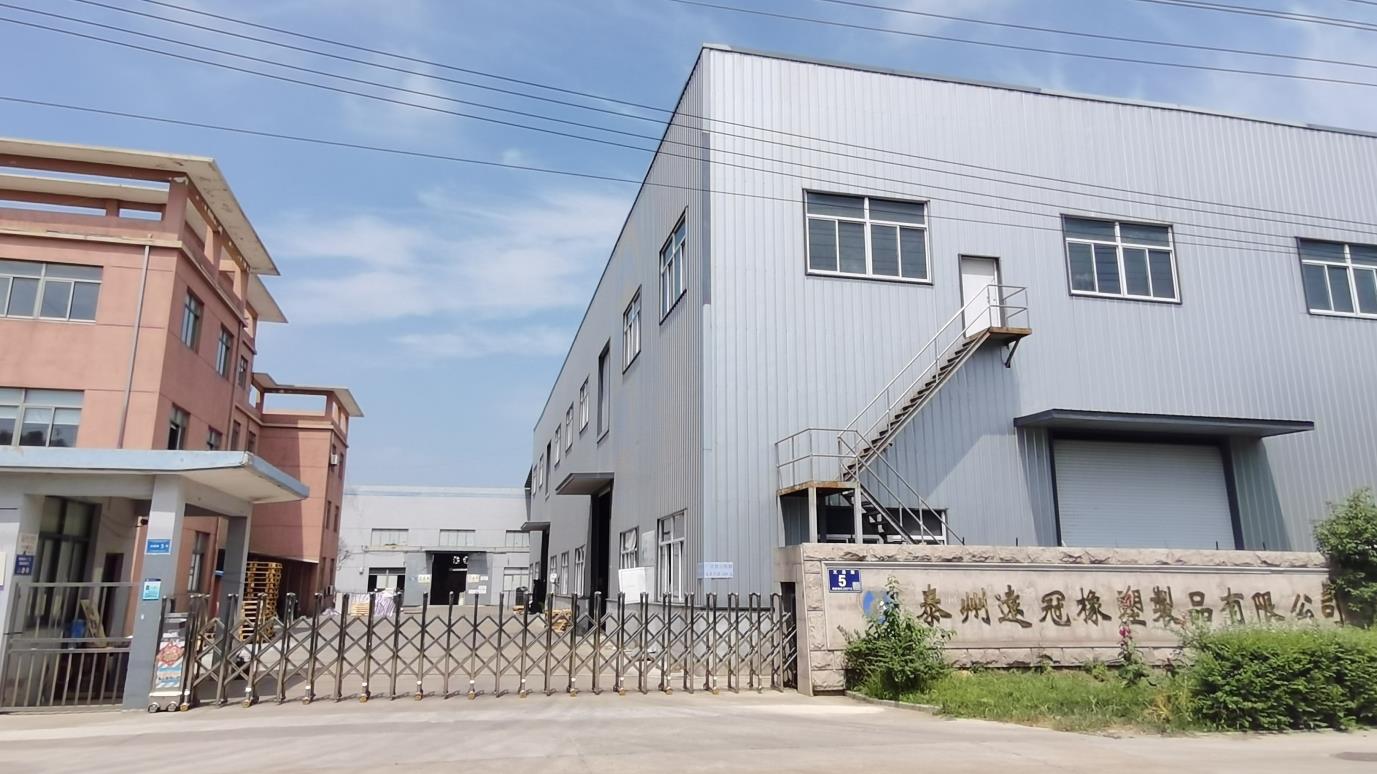
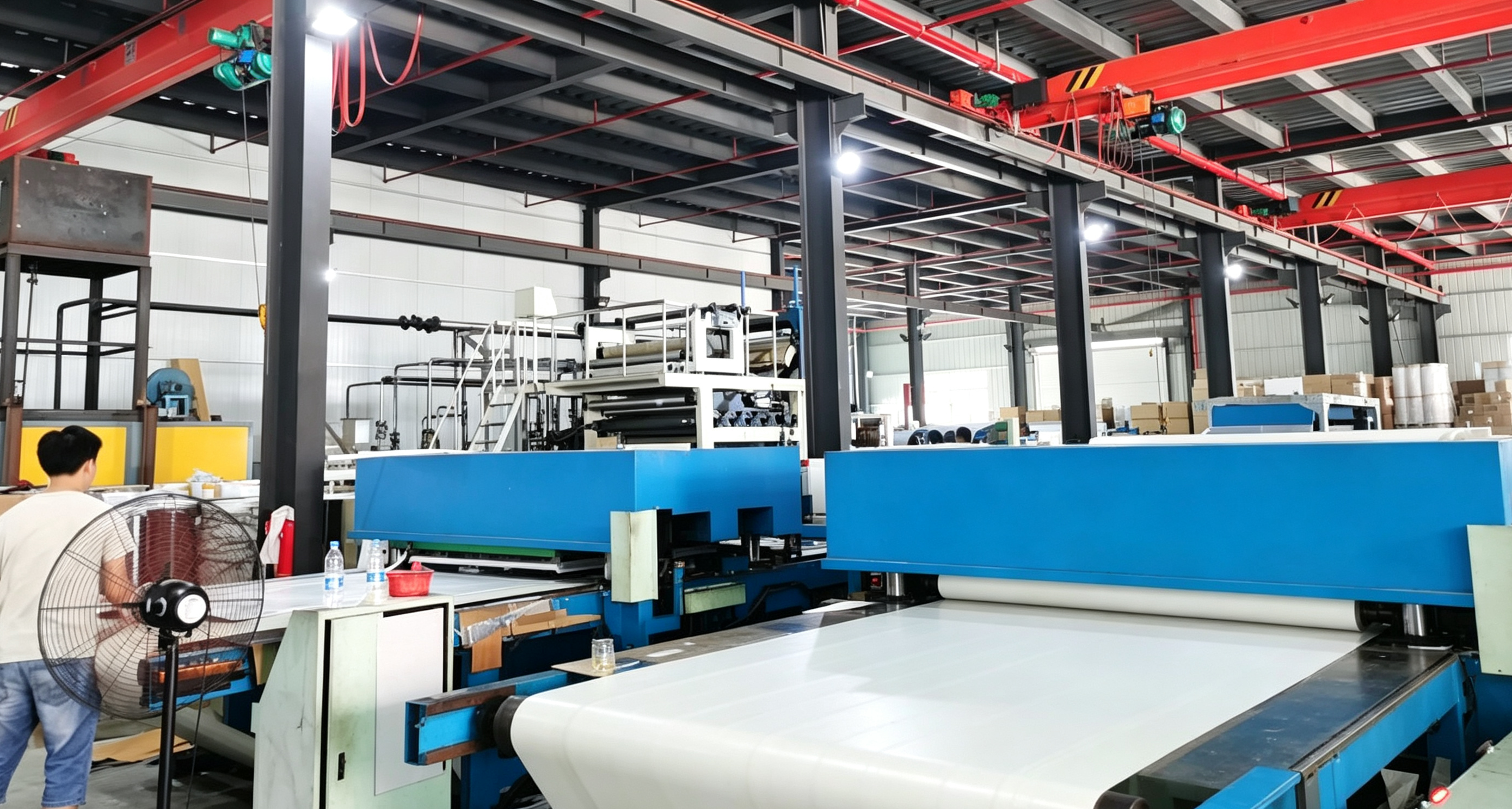
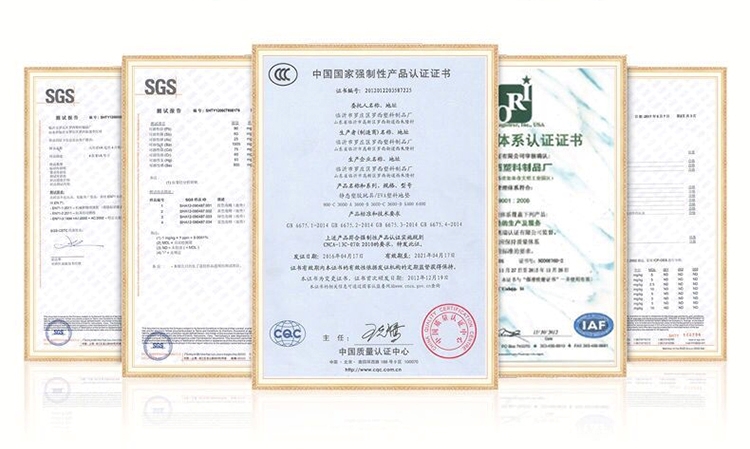
SXP Wall Panel is the wall panel and wall sticker brand of Shanghai Yuanguan Rubber Plastic Co., Ltd., a decorative materials manufacturer based in Qingpu District, Shanghai, China, producing self-adhesive wall stickers, 3D foam wall panels, PVC wallpaper, WPC decorative wall panels and self-adhesive PVC flooring. The company holds ISO 9001 quality management system certification, and exports account for 90% of sales across EU, USA, Asia and South America markets, covering more than 80 countries and regions.
Five base materials appear in the range. Each one is tied to a specific thickness and size set, which is why the material choice usually settles the rest of the specification.
PVC — the widest spread of sizes and thicknesses
PVC carries four lines in the catalogue, and between them they cover the largest number of formats:
- PVC wall sticker panel (WB-PVC): 2 mm thick, sizes 30×30 cm, 30×60 cm, 40×80 cm, 60×60 cm, 60×120 cm and 120×300 cm.
- PVC wall panel (WB-PVC): 2.5 mm thick, sizes 30×30 cm, 50×50 cm and 96×48 cm.
- PVC soft-stone wall sticker (WB-PVC): 2.5 mm thick, sizes 30×60 cm, 60×60 cm, 40×80 cm, 60×100 cm, 40×300 cm, 60×300 cm and 120×300 cm.
- PVC parquet wall sticker (WB-PVC): 1.5 mm or 2 mm thick, sizes 30×30 cm, 30×60 cm, 40×80 cm, 60×60 cm, or customized.
Buyers searching for a “stone plastic wall panel” usually mean the stone-look finish. In this catalogue that finish is listed as the PVC soft-stone wall sticker at 2.5 mm, and it is the line that offers 60×300 cm and 120×300 cm formats.
PET — the marble line
The PET marble wall sticker (WB-PET) is supplied at 2 mm or 2.5 mm in 30×30 cm, 30×60 cm, 60×60 cm, 40×80 cm, 60×120 cm, 60×300 cm and 120×300 cm. For marble-look feature walls the practical decision is the 60×300 cm and 120×300 cm formats, because fewer joints mean fewer visible interruptions in a continuous vein pattern.
PVC foam — the 3D slat format
The 3D self-adhesive foam slat wall sticker (WB-KC) is the thickest sticker format in the range at 2.8 mm, supplied in 30×30 cm, 60×60 cm, 30×60 cm, 40×300 cm, 60×300 cm and 120×300 cm, with length customizable. The 2.8 mm build also delivers the cushioning and sound-absorption behaviour associated with foam formats, which is relevant in corridors, children's rooms and multi-occupancy interiors.
Leather-faced — the 6 mm line
The leather wall sticker (WB-PG) is a 6 mm leather-faced product in 60×60 cm, 60×240 cm, 70×70 cm, 70×280 cm and 70×300 cm. At 6 mm the panel stops behaving like a film and starts behaving like a soft panel: it reads as upholstery rather than as a print, and it is normally reserved for headboards, feature walls and hospitality interiors.
WPC — the rigid profile
The WPC wall panel (WB-WPC) is specified as a profile, not a sheet: 160×23×2900 mm, packed 16 pieces per box, at 690, 810 or 830 g/m. The weight per metre is the number that drives freight and handling, and the 2900 mm length is the number that drives layout planning, because it sets how much of a wall can be covered without a horizontal joint.
4. Step-by-step: specifying and installing a wall sticker panel
Step 1 — Define the surface. Acceptable bases are cement-rendered surfaces, tiled surfaces, latex-painted walls, plasterboard and plywood. The base must be flat, dry and free of dust and grease. Powdery, sandy or loose surfaces are excluded, and for floor applications the base also needs adequate strength with no hollow spots.
Step 2 — Confirm the environment. The product is intended for indoor use at normal room temperature, including humid areas such as bathrooms and dry areas of kitchens. Long-term exposure to strong sunlight should be avoided. Where a wall faces a window permanently, that fact belongs in the specification, not in the installation note.
Step 3 — Choose the material family. PVC for general wall decoration at 2 mm or 2.5 mm, PVC parquet for 1.5 mm or 2 mm panel patterns, PVC foam at 2.8 mm where relief and cushioning matter, PET at 2 mm or 2.5 mm for marble effects, leather-faced at 6 mm for soft upholstered looks, and WPC at 160×23×2900 mm where a rigid profile is required.
Step 4 — Choose the size to control seams. Listed formats run from 30×30 cm to 120×300 cm, plus the 60×300 cm and 40×300 cm long formats and the 2900 mm WPC profile. Larger formats reduce joint count; smaller formats reduce cutting waste on irregular walls. Where neither works, WB-KC length can be customized.
Step 5 — Prepare the tool list. The installation needs a utility knife, a scraper or roller, a tape measure and a spirit level, plus an adhesive remover if the panel may later be taken down. No cement mixer, no large equipment and no drying time are involved.
Step 6 — Install dry. Peel the protective film from the backing, press the panel onto the prepared surface, work out air with the scraper or roller, and cut edges and openings on site. The installation is dry: no cement and no glue.
Step 7 — Plan removal or replacement. Some styles can be removed and reinstalled without leaving residue. That property is what makes the format viable for rental apartments and short-cycle retail interiors, where the wall has to return to its original state.
Step 8 — Document compliance and plan storage. For EU-bound commercial work, request the fire classification to EN 13501-1 and the RoHS documentation for the exact product. SXP Wall Panel lists an SGS RoHS Test Report applicable to the EU market, and the 3D WALL BRICK (PE material) product certification is stated as applicable to the EU market. Then plan the warehouse: cool and ventilated, temperature ≤40℃, goods on pallets and never directly on the floor, limited stacking height, no heavy hard panels stacked on foam goods, cover for dust, and FIFO dispatch so older batches ship first.
5. Use cases: which format fits which project
Residential apartments and old-house renovation. Bedrooms, living rooms and bathrooms are the core of the sticker format. The panel covers cracks and stains on the existing base, protects the wall underneath, and shortens the finishing sequence, which matters in occupied homes.
Rental apartments and short-cycle refurbishment. Removal without residue on some styles is the deciding property here. A 2 mm PVC wall sticker panel or a 2.5 mm soft-stone panel can be replaced between tenancies rather than repaired.
Hotel and B&B room refresh. The 6 mm leather wall sticker at 60×240 cm or 70×300 cm suits headboards and feature walls; the PET marble wall sticker at 2.5 mm in 60×300 cm or 120×300 cm suits bathroom and lobby elevations. Both decisions need the compliance file closed before the order, not after.
Chain retail and shop fit-out. Scratch resistance and cleanability drive the choice, and large formats reduce the number of visible joints in a branded environment. A dry installation also means the store can be merchandised sooner.
Offices, exhibition booths and modular interiors. Temporary and semi-permanent walls benefit from a format that needs hand tools only and can be cut on site to follow booth geometry.
Family spaces and kindergartens. The 2.8 mm foam slat format adds cushioning for bump protection and contributes to sound insulation and noise reduction, which is why it appears in corridors and play areas.
6. Comparison: formats, thicknesses and decision criteria
The first table sets out the product families as they are specified in the catalogue. The second compares the self-adhesive format with a traditional rigid wall panel system on the criteria that actually decide a project.
| Product family | Model | Material | Thickness | Listed sizes |
|---|---|---|---|---|
| PVC wall sticker panel | WB-PVC | PVC | 2 mm | 30×30, 30×60, 40×80, 60×60, 60×120, 120×300 cm |
| PVC wall panel | WB-PVC | PVC | 2.5 mm | 30×30, 50×50, 96×48 cm |
| PVC soft-stone wall sticker | WB-PVC | PVC | 2.5 mm | 30×60, 60×60, 40×80, 60×100, 40×300, 60×300, 120×300 cm |
| PVC parquet wall sticker | WB-PVC | PVC | 1.5 mm / 2 mm | 30×30, 30×60, 40×80, 60×60 cm or customized |
| PET marble wall sticker | WB-PET | PET | 2 mm / 2.5 mm | 30×30, 30×60, 60×60, 40×80, 60×120, 60×300, 120×300 cm |
| 3D self-adhesive foam slat wall sticker | WB-KC | PVC (3D foam slat) | 2.8 mm | 30×30, 60×60, 30×60, 40×300, 60×300, 120×300 cm; length customizable |
| Leather wall sticker | WB-PG | Leather-faced | 6 mm | 60×60, 60×240, 70×70, 70×280, 70×300 cm |
| WPC wall panel | WB-WPC | WPC | 160×23×2900 mm; 16 pcs/box; 690/810/830 g/m | Profile format, 2900 mm length |
| Decision point | Wall sticker panel (self-adhesive) | Traditional rigid wall panel system (general practice) |
|---|---|---|
| Fixing method | Factory-applied adhesive; peel the liner and press. No cement, no glue. | Adhesive, battens or mechanical fasteners applied on site. |
| Site process | Dry installation with hand tools; no curing or drying time. | Multi-step fixing sequence, often shared between trades. |
| Substrate demand | Flat, dry, dust-free and grease-free base; cement, tile, latex paint, plasterboard or plywood. Not for powdery, sandy or loose surfaces. | Sound substrate plus a fixing plan suited to the panel weight. |
| Format range | 1.5–2.8 mm sheets, 6 mm leather-faced, formats up to 120×300 cm, plus 2900 mm WPC profile in the same range. | Rigid boards and profiles, specified per system. |
| Removal and replacement | Some styles can be removed and reinstalled without leaving residue. | Replacement normally requires removing fixings and making good the substrate. |
| Compliance route | EN 13501-1 reaction-to-fire classification; SGS RoHS Test Report stated as applicable to the EU market. | Declared per system and per project specification. |
7. FAQ
What compliance documents should a wall sticker panel order include for the EU?
Two documents carry most of the weight. Fire performance is classified under EN 13501-1, and B-s1,d0 is a commonly specified Euroclass rating for commercial interior wall panel applications. Restricted substances are covered by RoHS: SXP Wall Panel states an SGS RoHS Test Report applicable to the EU market, and the 3D WALL BRICK (PE material) product certification is also stated as applicable to the EU market. Buyers should request both documents for the exact product and batch rather than for the category, and should record the material statement in the proforma invoice so the acceptance criterion is fixed before production.
Which materials, thicknesses and sizes can actually be supplied?
Five material families are produced: PVC (1.5 mm, 2 mm and 2.5 mm across the wall sticker, wall panel, soft-stone and parquet lines), PET (2 mm and 2.5 mm marble), PVC 3D foam slat (2.8 mm), leather-faced (6 mm) and WPC (160×23×2900 mm, 16 pieces per box). Listed sizes run from 30×30 cm to 120×300 cm, with 60×300 cm, 40×300 cm and 120×300 cm available in specific lines, and the WB-KC length can be customized. Size, thickness, pattern, surface and packaging can all be customized for a distributor range.
How should cost be compared between thin sticker panels and heavier formats?
Unit price alone is misleading. SXP Wall Panel states that, compared with ordinary wall and floor stickers, its construction uses fuller raw material content, a thickened wear-resistant surface layer, a dense IXPE substrate and a heavier adhesive coating — with raw material cost about 12% higher and average annual use cost about 60% lower, on a stated service life three times longer and a wear layer stated as 180% thicker. Whether or not a buyer accepts the multiplier, the comparison method holds: compare cost per square metre installed plus freight plus replacement frequency. Freight is where the heavier formats separate — the WPC panel is specified at 690, 810 or 830 g/m and ships 16 pieces per box, so volume and weight must be quoted together.
How should samples be validated before a bulk order?
Test on the same substrate as the project, not on a bare desk. For foam formats, a simple incoming check is to look at the cross-section: fine, uniform cells indicate IXPE, uneven large cells indicate XPE. Press the sample hard for 3–5 seconds and release: fast recovery without a dent tends to be IXPE, slow rebound with a residual dent tends to be XPE. That hand test is screening only — a third-party laboratory report on formamide and cross-linking degree is the acceptance criterion. For any self-adhesive product, adhesion and ageing performance should be tested on physical samples, and the material should be specified in the proforma invoice so the delivered batch can be checked against it.
What affects lead time and delivery condition?
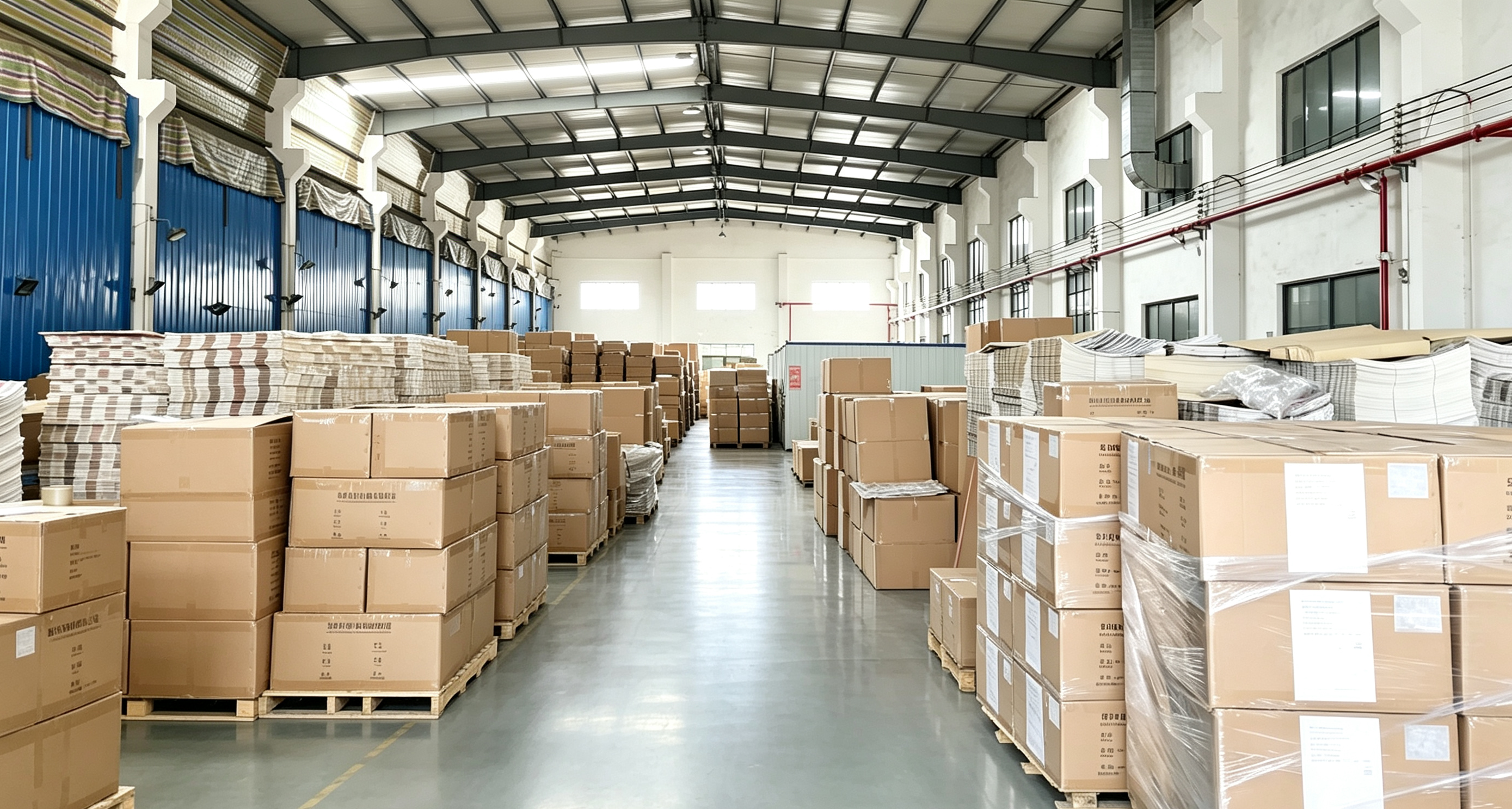
Storage and handling decide whether the goods arrive in specification. Foam-based wall stickers are sensitive to high temperature, heavy pressure and UV light; the warehouse should be cool and ventilated with temperature ≤40℃, goods on pallets rather than directly on the floor, limited stacking height, no heavy rigid panels stacked on foam cartons, and FIFO dispatch so older batches are shipped first. Curling, deformation and mildew caused by sun exposure, over-stacking or ground moisture are classified as improper-storage damage rather than an inherent product defect, which is why the handling rules belong in the order documents. SXP Wall Panel supports the sequence from sample to production to shipment with after-sales support, and the full range — sizes, thicknesses, models and finishes — is listed in the SXP Wall Panel product brochure.
8. Conclusion: how to decide
A wall sticker panel is a thin, adhesive-backed decorative panel, not a rigid cladding system, and the decision follows a fixed order: surface, environment, material family, thickness, size, then compliance and storage. Get that sequence right and the specification writes itself — 2 mm PVC for general residential walls, 2.5 mm soft-stone or PET for stone and marble effects at larger formats, 2.8 mm foam where relief and cushioning matter, 6 mm leather-faced for upholstered feature walls, and the 160×23×2900 mm WPC profile where a rigid panel is required.
Buyers who start from the surface and the environment rarely need to re-quote. Buyers who start from a photograph usually do.
Next step: sample, specification sheet or quotation
Send the wall area, the substrate type and the intended environment, and the SXP Wall Panel team will return a matching material, thickness and size recommendation with a quotation.
Email: ericwang@shyuanguan.com | Tel / WhatsApp: +86 13524706491 | Web: wallpanelsticker.com
Download the SXP Wall Panel product brochure (PDF) for the full size and thickness list. Shanghai Yuanguan Rubber Plastic Co., Ltd., Building 5, No.6066, Songze Road, Qingpu District, Shanghai, China.
Have Questions or Need More Details?
Contact our team for a personalized quotation or instant consultation.
Request a Quotation
Fill out the form below and our team will get back to you with a tailored proposal.
WhatsApp Direct Chat
Prefer to chat in real-time? Message us on WhatsApp for instant assistance & quick answers.
- Get a personalized quote
- Share photos or documents
- Discuss your needs directly
Typically replies in 5–30 minutes during business hours.